Thinking about moving your ERP to the cloud? A solid ERP cloud readiness assessment can make or break your digital transformation journey. Get it right, and you’ll unlock agility, scalability, and real-time insights. Get it wrong, and you risk costly delays, data loss, and operational chaos.
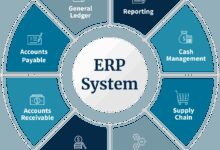
What Is an ERP Cloud Readiness Assessment?

An ERP cloud readiness assessment is a structured evaluation process that determines whether your organization is prepared to migrate its Enterprise Resource Planning (ERP) system to a cloud-based environment. It’s not just a technical checklist—it’s a holistic review of your business processes, IT infrastructure, data quality, security posture, and organizational culture.
Defining the Core Purpose
The primary goal of an ERP cloud readiness assessment is to identify gaps, risks, and opportunities before migration begins. This proactive approach minimizes downtime and ensures a smoother transition. According to Gartner, organizations that conduct thorough readiness assessments reduce implementation failure rates by up to 40%.
- Identify current system limitations
- Evaluate compatibility with cloud platforms
- Assess internal capabilities and resource readiness
Key Components of the Assessment
A comprehensive ERP cloud readiness assessment typically includes four core components: technical evaluation, business process analysis, data governance review, and change management planning. Each plays a critical role in determining your organization’s ability to adapt and thrive in a cloud environment.
- Technical: Network bandwidth, server specs, integration points
- Business: Workflow efficiency, process standardization
- Data: Quality, volume, compliance requirements
- People: Training needs, leadership buy-in, user adoption
“Organizations that skip the readiness phase often face budget overruns and project delays.” — Deloitte Cloud Migration Report 2023
Why ERP Cloud Readiness Assessment Is Non-Negotiable
In today’s fast-paced digital economy, moving ERP to the cloud isn’t just an IT upgrade—it’s a strategic imperative. But without a proper ERP cloud readiness assessment, even the most well-funded projects can fail. The cloud promises scalability and innovation, but only if your foundation is solid.
Minimizing Risk and Maximizing ROI
One of the biggest advantages of conducting an ERP cloud readiness assessment is risk mitigation. By identifying potential roadblocks early—like outdated legacy systems or poor data hygiene—you can address them before they derail your project. This foresight directly translates into cost savings and faster time-to-value.
- Reduces unexpected downtime during migration
- Helps prioritize investments in infrastructure upgrades
- Improves alignment between IT and business goals
Aligning Stakeholders Across the Organization
An ERP cloud readiness assessment isn’t just for IT teams. It brings together finance, operations, HR, and leadership to ensure everyone understands the scope, benefits, and responsibilities involved. This cross-functional alignment fosters ownership and increases the likelihood of long-term success.
- Engages department heads early in the process
- Clarifies roles and expectations
- Builds confidence through transparency
Step 1: Evaluate Your Current ERP Landscape
Before you can plan for the future, you need a crystal-clear picture of your present. This first step in any ERP cloud readiness assessment involves auditing your existing ERP system, including its architecture, functionality, and integration points.
Inventory Existing Systems and Modules
Start by documenting all ERP modules currently in use—finance, supply chain, manufacturing, HR, etc. Understand which ones are mission-critical and which can be phased out. This helps determine what needs to be migrated versus what can be replaced with cloud-native alternatives.
- List all active ERP modules and their versions
- Map dependencies between systems
- Identify customizations and third-party integrations
Assess Performance and Limitations
How well is your current ERP performing? Are users complaining about slow response times? Are reports taking hours to generate? These performance issues may indicate underlying problems that will only worsen in the cloud if not addressed first.
- Measure system uptime and reliability
- Track user satisfaction and support tickets
- Analyze transaction throughput and latency
Step 2: Analyze Business Processes and Workflows
Technology is only as good as the processes it supports. A successful ERP cloud readiness assessment must go beyond software and examine how work actually gets done across departments.
Map Critical Business Processes
Begin by mapping end-to-end workflows for key operations such as order-to-cash, procure-to-pay, and record-to-report. This reveals inefficiencies, redundancies, and bottlenecks that could hinder cloud adoption.
- Document process owners and handoff points
- Identify manual interventions and workarounds
- Highlight compliance and audit requirements
Identify Opportunities for Standardization
Cloud ERP systems thrive on standardized processes. If every department uses a different method for approving expenses, for example, migration will be messy. Use the assessment phase to push for consistency and eliminate unnecessary variations.
- Compare process variations across business units
- Define best-practice templates
- Engage process owners in redesign discussions
Step 3: Assess Technical Infrastructure and Security
Your network, servers, and security protocols form the backbone of any cloud migration. Ignoring this aspect of ERP cloud readiness assessment is like building a skyscraper on sand.
Network Bandwidth and Latency Testing
Cloud ERP relies heavily on internet connectivity. Conduct bandwidth tests during peak usage hours to ensure your network can handle the increased load. High latency can cripple user experience, especially for real-time applications.
- Measure upload and download speeds across locations
- Simulate cloud ERP traffic patterns
- Plan for redundancy and failover mechanisms
Security and Compliance Readiness
Data security is a top concern when moving to the cloud. Evaluate your current security policies against industry standards like ISO 27001, SOC 2, or GDPR. Ensure your chosen cloud provider offers robust encryption, access controls, and audit logging.
- Review data classification and retention policies
- Assess identity and access management (IAM) frameworks
- Verify compliance with regulatory requirements
“Over 60% of cloud breaches stem from misconfigurations, not vendor flaws.” — IBM Security Report 2023
Step 4: Evaluate Data Quality and Migration Strategy
Data is the lifeblood of any ERP system. Poor data quality is one of the leading causes of failed cloud migrations. An effective ERP cloud readiness assessment must include a rigorous data audit and a clear migration roadmap.
Conduct a Comprehensive Data Audit
Start by identifying what data you have, where it lives, and how accurate it is. Look for duplicates, incomplete records, and outdated entries. Tools like data profiling software can automate much of this process.
- Classify data by type, sensitivity, and usage
- Quantify data volume and growth trends
- Identify obsolete or redundant data for archiving
Develop a Phased Data Migration Plan
Ripping and replacing all data at once is risky. Instead, adopt a phased approach—migrate historical data first, then test, then move active data. This reduces risk and allows for validation at each stage.
- Define migration batches based on business priority
- Establish data cleansing rules and validation checks
- Test migration scripts in a sandbox environment
Step 5: Gauge Organizational Readiness and Change Management
Even the most advanced cloud ERP system will fail if employees resist using it. A critical part of ERP cloud readiness assessment is evaluating your organization’s cultural and operational readiness for change.
Assess Employee Skills and Training Needs
Survey your workforce to understand their familiarity with cloud technologies and ERP systems. Identify skill gaps and plan targeted training programs. Consider partnering with vendors or consultants for certified training paths.
- Conduct role-based competency assessments
- Develop e-learning modules and hands-on workshops
- Appoint internal champions and super-users
Build a Change Management Roadmap
Change doesn’t happen overnight. Create a communication plan that explains the ‘why’ behind the migration, highlights benefits, and addresses concerns. Use town halls, newsletters, and feedback loops to keep momentum going.
- Define key messages for different stakeholder groups
- Schedule regular update cadences
- Establish a support desk for post-go-live issues
Step 6: Select the Right Cloud ERP Vendor and Deployment Model
Not all cloud ERPs are created equal. Your readiness assessment should inform your vendor selection by clarifying what features, scalability, and support you need.
Compare SaaS, PaaS, and Hybrid Options
Understand the differences between Software-as-a-Service (SaaS), Platform-as-a-Service (PaaS), and hybrid models. SaaS offers faster deployment and lower maintenance, while PaaS provides more customization. Your ERP cloud readiness assessment should guide which model fits your technical and business needs.
- SaaS: Ideal for standardized processes and rapid rollout
- PaaS: Better for complex, custom workflows
- Hybrid: Combines on-premise and cloud for gradual transition
Evaluate Vendor Capabilities and SLAs
Don’t just rely on marketing materials. Request detailed service level agreements (SLAs), uptime guarantees, and disaster recovery plans. Check references and case studies from companies in your industry.
- Review vendor security certifications and audit reports
- Test customer support responsiveness
- Negotiate pricing models and scalability terms
Step 7: Develop a Post-Migration Optimization Plan
Migrating to the cloud isn’t the finish line—it’s the starting point. A mature ERP cloud readiness assessment includes a plan for continuous improvement after go-live.
Monitor Performance and User Adoption
Use analytics dashboards to track system performance, user login rates, and feature utilization. Low adoption may indicate training gaps or usability issues that need immediate attention.
- Set KPIs for system uptime and response time
- Track login frequency and module usage
- Collect user feedback through surveys and focus groups
Plan for Continuous Improvement
The cloud enables agility. Schedule regular reviews to identify new automation opportunities, integrate emerging technologies (like AI or IoT), and refine processes based on real-world usage.
- Establish a cloud governance committee
- Implement quarterly optimization sprints
- Leverage vendor updates and new features
Common Pitfalls to Avoid in ERP Cloud Readiness Assessment
Even with the best intentions, organizations often stumble during the ERP cloud readiness assessment phase. Recognizing these common mistakes can help you avoid them.
Underestimating Data Complexity
Many companies assume data migration is a simple copy-paste operation. In reality, data often spans multiple systems, formats, and ownership domains. Without a clear data strategy, you risk importing garbage data into your shiny new cloud system.
- Start data cleansing early in the process
- Involve data stewards from each department
- Use automated tools to detect anomalies
Ignoring User Resistance
Technical teams often focus on systems, forgetting that people are the real drivers of success. If users feel left out of the process or fear job displacement, they may resist adoption—intentionally or not.
- Communicate benefits clearly and frequently
- Involve end-users in design and testing
- Recognize and reward early adopters
Tools and Frameworks for Effective ERP Cloud Readiness Assessment
Leveraging the right tools can streamline your ERP cloud readiness assessment and improve accuracy. From diagnostic checklists to maturity models, these resources provide structure and clarity.
Readiness Assessment Checklists
Many cloud ERP vendors offer free assessment tools. For example, SAP provides a Cloud Readiness Diagnostic Tool, while Microsoft Dynamics 365 offers a FastTrack Readiness Assessment. These guides walk you through key evaluation areas.
- Technical infrastructure checklist
- Data migration readiness scorecard
- Organizational change readiness survey
Maturity Models and Scoring Systems
Some organizations use maturity models to rate their readiness on a scale (e.g., 1 to 5). This quantifies progress and helps prioritize actions. For instance, a score below 3 in data quality might trigger an immediate cleansing initiative.
- Define criteria for each maturity level
- Assign weights based on business impact
- Track improvement over time
What is the first step in an ERP cloud readiness assessment?
The first step is evaluating your current ERP landscape. This includes auditing existing systems, identifying modules in use, assessing performance, and documenting customizations. A clear understanding of your current state is essential before planning any migration.
How long does an ERP cloud readiness assessment take?
Typically, an ERP cloud readiness assessment takes between 4 to 12 weeks, depending on the size and complexity of the organization. Smaller businesses may complete it in a few weeks, while large enterprises with multiple systems may need several months.
Who should be involved in the assessment process?
Key stakeholders include IT leaders, business process owners, data managers, security officers, and HR/training teams. Executive sponsorship is also critical to ensure alignment and resource allocation.
Can you skip the readiness assessment and go straight to migration?
Technically, yes—but it’s highly risky. Skipping the ERP cloud readiness assessment increases the likelihood of project failure, budget overruns, and operational disruption. It’s like flying a plane without a pre-flight checklist.
What are the signs that your organization is ready for cloud ERP?
Signs of readiness include strong executive support, clean and well-organized data, standardized business processes, adequate network infrastructure, and a culture open to change. A formal assessment can confirm these factors.
An ERP cloud readiness assessment is not a box-ticking exercise—it’s a strategic foundation for digital transformation. By systematically evaluating your technical, operational, and cultural readiness, you set the stage for a successful, sustainable cloud migration. From assessing your current ERP landscape to planning post-migration optimization, each step builds confidence and reduces risk. Don’t rush the process. Invest the time upfront, and you’ll reap the rewards of agility, scalability, and innovation for years to come.
Further Reading:
